
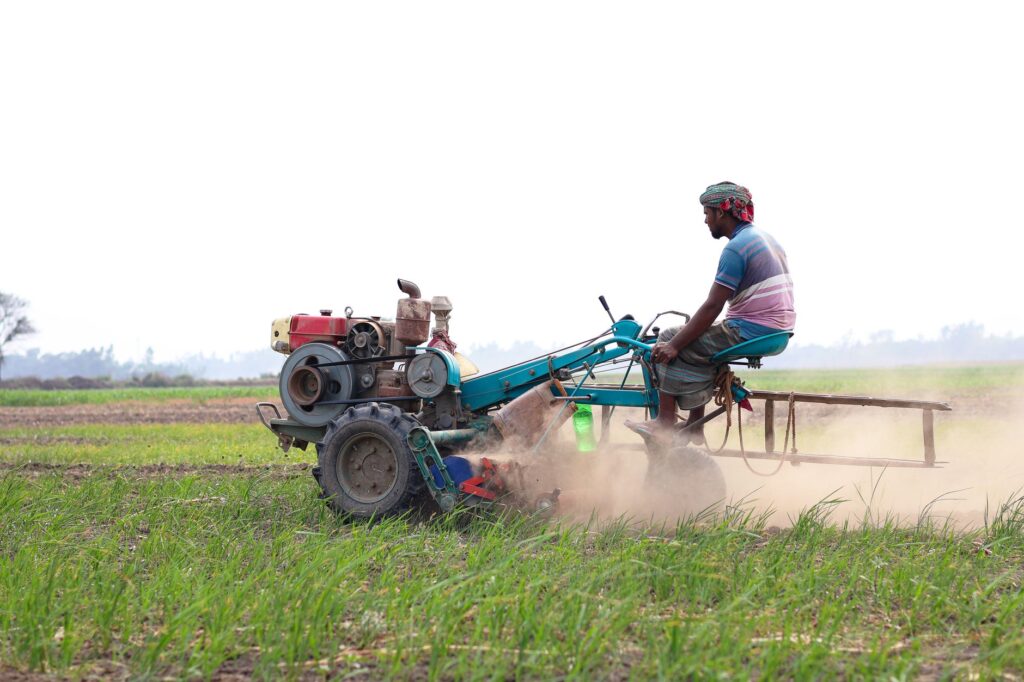
The agricultural mechanisation scheme is being expanded in Telangana with a significant outlay of Rs 147.99 crore. This initiative aims to enhance farming practices and improve productivity across the state.
Overview of the Agricultural Mechanisation Scheme
The Agricultural Mechanisation Scheme is a pivotal initiative aimed at enhancing productivity in the farming sector. Recently, Telangana announced an expansion of this scheme with a substantial outlay of Rs 147.99 crore, underlining its commitment to modernise agriculture.
This scheme is designed to provide farmers with access to advanced machinery and equipment, thereby promoting efficient farming practices. Key features include:
- Subsidies: Financial support for purchasing modern agricultural equipment.
- Training Programs: Workshops to educate farmers on the effective use of machinery.
- Access to Technology: Introduction of innovative farming techniques through mechanisation.
The emphasis on agricultural mechanisation is seen as a crucial step towards increasing yield, reducing labor costs, and improving overall farm sustainability. As states like Telangana invest in these initiatives, the question remains: is the Agricultural Mechanisation Scheme worth the investment for farmers aiming for growth?
Impact on Telangana Farmers
The expansion of the agricultural mechanisation scheme in Telangana is set to significantly impact local farmers. With an impressive outlay of Rs 147.99 crore, the initiative aims to enhance productivity and reduce labor costs.
Farmers across the region are optimistic about the benefits that come with increased access to modern machinery. Some key advantages include:
- Time Efficiency: Mechanisation allows for faster planting and harvesting, enabling farmers to maximize crop yields.
- Cost Reduction: With machines handling labor-intensive tasks, farmers can save on wages and improve profitability.
- Improved Quality: Mechanised processes can enhance the quality of produce, making it more competitive in the market.
However, some farmers express concerns regarding the initial investment required for machinery. They hope that the agricultural mechanisation scheme will provide adequate support to help them transition smoothly.
Funding Details of the Scheme
The Agricultural Mechanisation Scheme has been allocated a significant budget to enhance farming practices in Telangana. The state government has earmarked Rs 147.99 crore to support the initiative, which aims to provide farmers with access to modern machinery and technology.
This funding will be distributed across various components of the scheme, including:
- Subsidies for purchasing advanced farming equipment
- Training programs for farmers to effectively utilize new technologies
- Maintenance support for machinery to ensure longevity and efficiency
By investing in this scheme, the government hopes to boost agricultural productivity, reduce labor costs, and promote sustainable farming practices. As a result, the Agricultural Mechanisation Scheme is expected to play a crucial role in transforming the agricultural landscape of Telangana, ultimately benefiting the farming community and the economy at large.
Benefits of Agricultural Mechanisation
The Agricultural Mechanisation Scheme offers numerous advantages that can significantly enhance farming practices. By incorporating advanced machinery, farmers can experience increased efficiency and productivity in their operations.
Some key benefits include:
- Time Savings: Mechanisation reduces the time required for various farming activities, allowing farmers to manage larger areas more effectively.
- Labour Reduction: With machines handling heavy tasks, the need for manual labour decreases, making it easier for farmers to operate.
- Improved Crop Yields: Precision farming techniques facilitated by machinery ensure better planting and harvesting, leading to higher crop yields.
- Cost Efficiency: Although the initial investment may be high, the long-term savings on labour and improved productivity can outweigh costs.
- Environmental Benefits: Mechanisation can lead to more sustainable farming practices, minimizing waste and resource use.
Overall, the Agricultural Mechanisation Scheme is a worthwhile investment for farmers looking to modernize their practices.
Challenges in Implementation
The implementation of the agricultural mechanisation scheme in Telangana has faced several challenges that could impact its overall effectiveness. Stakeholders have raised concerns about the accessibility and affordability of advanced machinery for smallholder farmers. Many farmers lack the necessary knowledge and skills to operate complex equipment, which can lead to underutilization of the resources provided.
Additionally, logistical issues such as inadequate supply chains and maintenance support hinder the timely delivery of machinery. There is also a risk of equipment misuse, as some farmers may not adhere to recommended practices, leading to potential crop damage.
Furthermore, the scheme's success is contingent upon the training and support systems in place. Without proper education on the benefits and operation of mechanization, the initiative may not achieve its intended goals.
Lastly, bureaucratic delays in fund disbursement can further complicate the implementation process, affecting farmers' trust in the program.
Future Prospects for Farmers
The future prospects for farmers participating in the agricultural mechanisation scheme appear promising. As Telangana expands its initiative with a substantial investment of Rs 147.99 crore, numerous farmers are expected to benefit from modern equipment and technology. This shift towards mechanisation is likely to enhance productivity and reduce labor costs, ultimately improving the livelihoods of many agricultural workers.
Farmers can anticipate several advantages, including:
- Increased Efficiency: Modern machinery can significantly reduce the time taken for various farming tasks.
- Higher Crop Yields: Mechanisation often leads to better land utilisation and crop management practices.
- Access to New Markets: With improved production capabilities, farmers may tap into larger, more lucrative markets.
However, challenges remain in training and maintaining equipment. Addressing these issues will be crucial for the long-term success of the agricultural mechanisation scheme in Telangana.
Government Support Initiatives
The government has introduced several initiatives to bolster the Agricultural Mechanisation Scheme, aiming to enhance productivity in the farming sector. These initiatives include:
- Subsidies for Equipment: Farmers can access substantial subsidies on the purchase of modern machinery, making it more affordable to adopt new technologies.
- Training Programs: Comprehensive training sessions are being offered to educate farmers on the efficient use of machinery, ensuring they maximize the benefits of the Agricultural Mechanisation Scheme.
- Financial Aid: The government has set up loan facilities with low-interest rates to support farmers in acquiring necessary equipment.
- Collaboration with Agricultural Universities: Partnerships with educational institutions aim to promote research and development in agricultural technologies.
These support initiatives are critical in addressing the challenges faced by farmers and ensure that the investment in the Agricultural Mechanisation Scheme yields significant returns.
Success Stories from the Field
Success stories from the field highlight the transformative impact of the agricultural mechanisation scheme on local farming practices. Farmers across Telangana have reported significant improvements in productivity and efficiency since the implementation of the scheme.
- Increased Yields: Many farmers have experienced up to a 30% increase in crop yields due to the use of modern machinery.
- Time Savings: The introduction of mechanised equipment has reduced the time needed for planting and harvesting, allowing farmers to allocate resources more effectively.
- Cost Efficiency: By minimizing labor costs and reducing wastage, farmers have noted a marked improvement in their profit margins.
- Adoption of Technology: The scheme has encouraged farmers to adopt advanced agricultural practices, further enhancing sustainability.
These success stories underscore the potential of the agricultural mechanisation scheme to reshape the agricultural landscape, fostering greater resilience among farmers in the region.
Photo by Ferdous Hasan on Pexels
Read the original
Related reading
AI Grocery Buying: The Smart Solution for Shoppers · Is the UK pizza market the right place for Ernie’s? · High-Protein Bakery Mixes: Proven Benefits for Bakers