
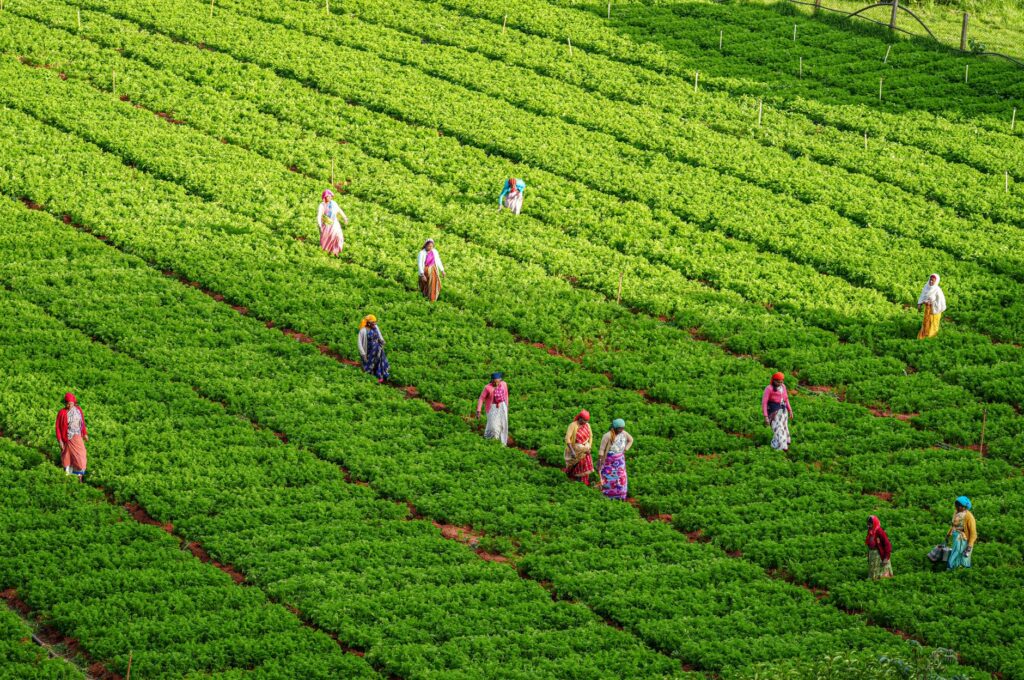
Agriculture Department Schemes are being reviewed by Dr Devansh Yadav to assess their implementation and impact. This review aims to enhance agricultural practices and improve outcomes for farmers.
Overview of Agriculture Department Schemes
The Agriculture Department Schemes have become a cornerstone for enhancing agricultural productivity and supporting farmers across the region. Recently, DC Dr Devansh Yadav conducted a comprehensive review of these schemes to assess their effectiveness and implementation.
During the review, Dr Yadav highlighted several key aspects of the schemes:
- Financial Assistance: Many schemes provide direct financial support to farmers, enabling them to invest in better seeds and equipment.
- Training and Resources: The Agriculture Department offers training sessions to equip farmers with modern farming techniques and practices.
- Market Access: Programs aimed at connecting farmers with markets help them secure better prices for their produce.
- Technological Integration: Initiatives like AgriStack are focused on integrating technology into agriculture, providing farmers with valuable data and analytics.
Dr Yadav emphasized the importance of continuous monitoring and feedback mechanisms to ensure that the Agriculture Department Schemes truly benefit the farming community. As these initiatives evolve, their impact on food security and rural livelihoods remains a priority.
Importance of AgriStack in Modern Farming
The integration of technology in agriculture has become increasingly crucial, and the implementation of AgriStack is a significant step forward. AgriStack is designed to streamline various processes involved in modern farming, making it an essential component of the Agriculture Department Schemes.
This digital framework aims to enhance the efficiency of agricultural practices by providing farmers with valuable insights and resources. By leveraging data-driven solutions, AgriStack enables farmers to make informed decisions regarding crop management, pest control, and resource allocation.
Moreover, the platform offers:
- Access to real-time weather updates, allowing farmers to plan their activities more effectively.
- Information on best practices tailored to specific crops and regional conditions.
- Market intelligence that helps farmers understand pricing trends and demand.
Dr. Yadav emphasized that the successful implementation of AgriStack under the Agriculture Department Schemes can lead to improved productivity and sustainability in farming. This transformative approach is essential as the agricultural sector faces increasing challenges in a rapidly changing environment.
Dr Yadav's Insights on Implementation Challenges
Dr. Devansh Yadav, in his recent review of the Agriculture Department Schemes, highlighted several implementation challenges that hinder the effectiveness of these initiatives. He pointed out that despite the potential benefits of these schemes, farmers often face bureaucratic hurdles that delay access to crucial resources.
One of the main issues identified was the lack of awareness among farmers regarding the various schemes available to them. Dr. Yadav emphasized that effective communication and outreach programs are essential to ensure that farmers understand how to leverage these opportunities.
Another challenge mentioned was the inconsistency in the disbursement of funds. Many farmers reported delays in receiving financial support, which directly impacts their ability to implement modern farming practices. Dr. Yadav suggested that a streamlined process for fund allocation could significantly improve the situation.
Additionally, he noted the importance of integrating technology, such as AgriStack, to facilitate better management of these schemes. By utilizing digital platforms, the Agriculture Department can enhance transparency and accountability, ultimately benefiting the farming community.
- Awareness campaigns needed
- Streamlined fund allocation process
- Integration of technology
Future Directions for Agriculture Schemes
As the Agriculture Department Schemes continue to evolve, future directions focus on enhancing sustainability and technology integration. Experts like Dr. Yadav emphasize the need for adaptive strategies that meet the changing demands of the agricultural sector.
One significant area for improvement is data-driven decision making. By leveraging data analytics and real-time monitoring, farmers can optimize their resources and improve crop yields. Furthermore, the integration of AI and machine learning within these schemes could provide tailored solutions to individual farmers' needs.
Additionally, community engagement is essential for the successful implementation of these schemes. Ensuring that farmers are actively involved in the development and execution of policies will foster greater acceptance and effectiveness. Workshops and training sessions are recommended to enhance farmers' understanding of available resources.
Finally, addressing the financial barriers faced by farmers is crucial. Future Agriculture Department Schemes should focus on providing easier access to credit and insurance options, enabling farmers to invest in modern practices without the fear of financial instability.
In conclusion, the future of agriculture schemes lies in innovation, community involvement, and financial support, paving the way for a resilient agricultural landscape.
Impact on Local Farmers and Communities
The implementation of the Agriculture Department Schemes has had a significant impact on local farmers and communities, as highlighted by Dr. Yadav during his recent review. These schemes aim to enhance agricultural productivity and improve the livelihoods of farmers in the region.
One of the key benefits observed is the increased access to resources. Local farmers have reported a better availability of quality seeds, fertilizers, and irrigation facilities, which are crucial for successful farming. This has led to higher crop yields and improved food security within communities.
Additionally, the Agriculture Department Schemes have fostered a sense of community among farmers. Through various training programs and workshops, farmers are learning modern farming techniques and best practices, which promote collaboration and knowledge sharing.
However, challenges remain, such as the need for sustained support and effective communication between the government and farmers. Dr. Yadav emphasized the importance of continuous engagement to ensure that the benefits of these schemes reach all farmers, particularly those in remote areas.
Overall, the positive outcomes from these schemes underscore their potential to transform local agriculture and uplift rural communities.
Photo by Aravind P.S on Pexels
References
Related stories
Süü Company Factory Launch: The Best Proven Growth Strategy · Kraft Heinz bagged soup: Smart launch or risky move? · Women Entrepreneurs Bazaar: Proven Success for 167 Women