
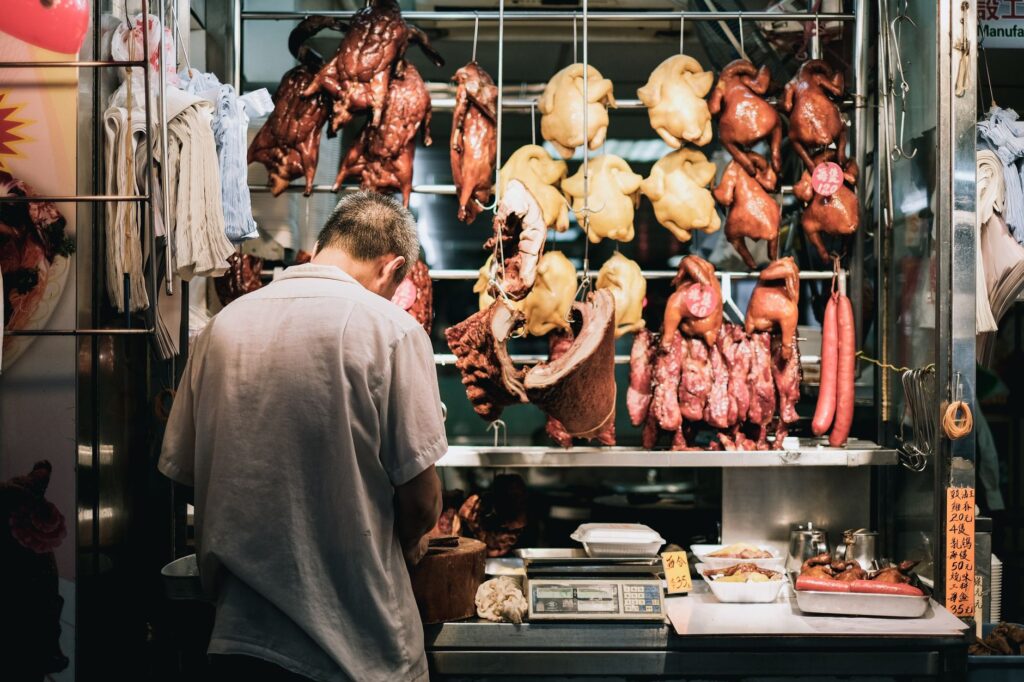
cultivated meat Hong Kong is making waves in the food industry with its latest launch by Friends & Family Pet Food. This innovative product is set to transform how we think about meat alternatives.
What is Cultivated Meat?
Cultivated meat, also known as lab-grown or cell-based meat, refers to meat products produced by cultivating animal cells in a controlled environment, rather than raising and slaughtering animals. This innovative approach aims to provide a sustainable and ethical alternative to traditional meat production, addressing the growing concerns over animal welfare and environmental impact.
In the process of creating cultivated meat, animal cells are harvested and then placed in a bioreactor, where they are provided with the necessary nutrients to grow and multiply. This method not only reduces the carbon footprint associated with livestock farming but also minimizes the risks of zoonotic diseases and antibiotic resistance.
In Hong Kong, the interest in cultivated meat is rapidly increasing, with various companies exploring its potential to meet the demands of a growing population. The launch of cultivated meat products by local brands like Friends & Family Pet Food highlights the city's commitment to exploring sustainable food sources.
As consumers become more aware of the benefits of cultivated meat, several advantages are becoming apparent:
- Environmental sustainability: Reduced greenhouse gas emissions and land use.
- Animal welfare: Less reliance on animal farming.
- Health benefits: Potential for lower fat content and tailored nutritional profiles.
With these factors in mind, cultivated meat in Hong Kong is poised to play a significant role in the future of food.
The Rise of Cultivated Meat in Hong Kong
The emergence of cultivated meat in Hong Kong marks a significant shift in the region's food landscape. As consumers become increasingly aware of the environmental and ethical implications of traditional meat production, interest in lab-grown alternatives has surged. This rise can be attributed to a combination of innovative technology, changing dietary preferences, and a growing commitment to sustainability.
Several startups have now begun to establish themselves in Hong Kong, showcasing the potential of cultivated meat. These companies are not only developing products that mimic traditional meat but are also focusing on ensuring that these alternatives are accessible and affordable for the average consumer.
Among the notable players is Friends & Family Pet Food, which has recently launched its line of cultivated meat products. This initiative is part of a broader trend where companies are exploring the possibilities that lab-grown meat offers, from reducing carbon footprints to minimizing animal welfare concerns.
As more consumers in Hong Kong embrace this innovative food technology, the local market is expected to expand significantly. The potential benefits of cultivated meat—such as reduced land use and lower greenhouse gas emissions—make it an attractive option for those looking to make more sustainable food choices.
In conclusion, the rise of cultivated meat in Hong Kong represents not just a culinary trend but a crucial step toward a more sustainable future.
Friends & Family Pet Food Launches New Product
In an exciting development for the food industry, Friends & Family Pet Food has announced the launch of their new cultivated meat product in Hong Kong. This innovative offering aims to cater to the growing demand for sustainable and ethical food alternatives, particularly among pet owners who are increasingly conscious of their pets' diets.
The decision to introduce cultivated meat is a significant step towards promoting a more sustainable food system in the region. Friends & Family Pet Food emphasizes that their products are not only environmentally friendly but also provide high-quality nutrition for pets. The cultivated meat is made from cells sourced from animals, which are then grown in controlled environments, ensuring no animals are harmed during the process.
Some key features of the new cultivated meat product include:
- High Nutritional Value: The cultivated meat is rich in protein and essential nutrients, designed to support the health and well-being of pets.
- Sustainability: By utilizing cultivated meat, the company aims to reduce the carbon footprint associated with traditional meat production.
- Animal Welfare: The process of cultivated meat production aligns with animal welfare principles, appealing to ethical consumers.
With the launch of cultivated meat in Hong Kong, Friends & Family Pet Food is setting a precedent for future innovations in the pet food market, encouraging other companies to explore similar sustainable alternatives.
Health Benefits of Cultivated Meat
Cultivated meat is gaining traction not only for its environmental benefits but also for its health advantages, making it a compelling option for consumers in Hong Kong. As awareness grows, many people are discovering the potential health benefits associated with this innovative food source.
One of the primary benefits of cultivated meat is its ability to be produced with lower levels of saturated fats compared to traditional meat. This reduction can contribute to better cardiovascular health and reduced risk of heart disease. Additionally, cultivated meat can be engineered to contain essential nutrients, allowing for enhanced nutritional profiles that can cater to diverse dietary needs.
Moreover, cultivated meat eliminates the risks associated with antibiotic use and zoonotic diseases, which are prevalent in conventional livestock farming. This makes it a safer option for consumers concerned about foodborne illnesses. Furthermore, the production process of cultivated meat can be more controlled, leading to fewer contaminants and pathogens.
Another significant advantage is the potential for allergen-free options. As cultivated meat technology advances, it may become possible to create products that are free from common allergens found in traditional meat, making it accessible to more individuals.
In summary, the health benefits of cultivated meat in Hong Kong are multifaceted, offering a promising alternative that aligns with modern health-conscious lifestyles while addressing ethical and environmental concerns.
Consumer Reactions to Cultivated Meat
The introduction of cultivated meat in Hong Kong has sparked a variety of reactions among consumers, reflecting a blend of curiosity, enthusiasm, and skepticism. As residents become more aware of the environmental and ethical implications of traditional meat production, many are eager to explore this innovative alternative.
Surveys conducted in the region indicate that a significant percentage of consumers are open to trying cultivated meat. Some notable reactions include:
- Excitement for Sustainability: Many individuals express enthusiasm over the reduced environmental impact associated with cultivated meat compared to conventional farming practices. They appreciate its potential to lessen greenhouse gas emissions and conserve water resources.
- Health Consciousness: Consumers are intrigued by the health benefits often attributed to cultivated meat, such as lower cholesterol levels and the absence of antibiotics or hormones found in traditional meat.
- Concerns about Taste and Texture: While many are willing to try cultivated meat, some consumers remain skeptical about whether it can truly replicate the taste and texture of their favorite meat dishes.
- Price Sensitivity: The cost of cultivated meat is another major concern, as consumers wonder if it will be accessible to the average household.
As cultivated meat continues to develop and gain traction in Hong Kong, consumer feedback will play a crucial role in shaping its future presence in the market.
Sustainability and Cultivated Meat
The sustainability of food production has become a critical concern globally, and cultivated meat presents a promising solution to many of these challenges. In Hong Kong, where space is limited and environmental issues are pressing, the adoption of cultivated meat could significantly reduce the ecological footprint of the meat industry.
One of the primary benefits of cultivated meat is its ability to lower greenhouse gas emissions. Traditional livestock farming contributes to a significant portion of global emissions, while cultivated meat reduces this impact by eliminating the need for raising and slaughtering animals. Additionally, it requires less land and water compared to conventional meat production.
Furthermore, cultivated meat has the potential to minimize waste associated with conventional farming practices. With the ability to produce meat directly from animal cells, there is no need for extensive feed resources or the environmental strain of waste management from livestock. This innovation aligns perfectly with Hong Kong's goals of promoting sustainability and responsible consumption.
As the city embraces new food technologies, the introduction of cultivated meat could translate into a more sustainable food system. The collaboration between local businesses and startups, like Friends & Family Pet Food, showcases the growing interest and investment in this sector, paving the way for a greener future in Hong Kong's culinary landscape.
Future of Food in Hong Kong
The future of food in Hong Kong is increasingly leaning towards innovation, particularly with the introduction of cultivated meat. As consumers become more aware of the environmental and health implications of traditional meat production, alternative options are gaining traction. Cultivated meat offers a sustainable solution that aligns with the city's goals of reducing carbon emissions and promoting eco-friendly practices.
Several local startups are spearheading the movement, driven by advancements in biotechnology and a growing interest in sustainable food sources. These companies not only aim to create delicious alternatives but also focus on ensuring that these products are accessible to a wider audience. The culinary scene in Hong Kong, known for its rich diversity, stands to benefit significantly from the integration of cultivated meat.
With the support of local government initiatives and an increasing number of partnerships, the cultivated meat industry is poised for growth. Investment in research and development is critical to improving production processes and scaling up operations. As technology continues to evolve, we can expect cultivated meat to become more mainstream, with various products available in restaurants and grocery stores.
- Enhanced Food Security: Cultivated meat can help mitigate the risks associated with livestock farming.
- Innovation in Cuisine: Chefs can experiment with new flavors and textures.
- Consumer Awareness: Education on the benefits of cultivated meat is essential for widespread acceptance.
In conclusion, the future of food in Hong Kong looks promising with cultivated meat leading the charge towards a more sustainable and health-conscious society.
As the demand for sustainable food sources grows, cultivated meat Hong Kong has emerged as a leading option for environmentally conscious consumers. Various local startups are innovating to provide the best proven options in cultivated meat Hong Kong, ensuring quality and taste.
Photo by Airam Dato-on on Pexels
Sources
Related reading
Performance-Based Mall Operation: Cafe24’s Proven Service Launch · New McDonald’s Product: Is It Worth the Hype? · IKEA India Food: The Best Proven Menu Secrets Revealed