
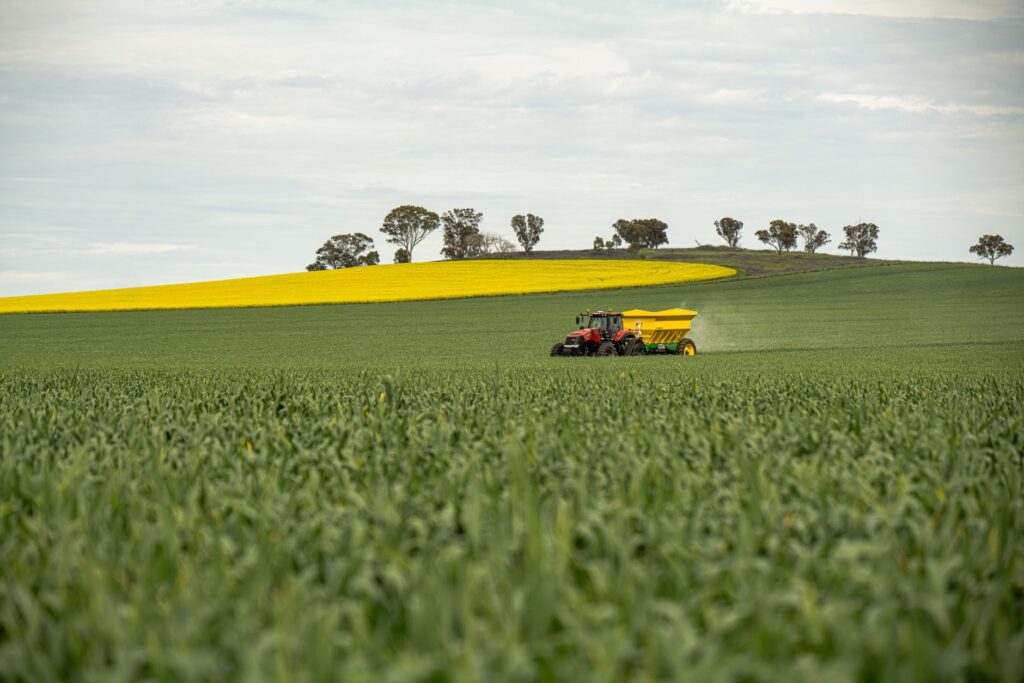
fertiliser subsidy reform is a critical issue affecting farmers and consumers alike. As changes are proposed, questions arise about who will ultimately bear the cost.
Understanding Fertiliser Subsidy Reform
Fertiliser subsidy reform is a complex issue that affects farmers, governments, and consumers alike. These reforms aim to reduce government spending on fertiliser subsidies while promoting sustainable agricultural practices. However, the transition can lead to significant consequences for various stakeholders.
Farmers, particularly those in developing countries, often rely heavily on these subsidies to maintain their livelihoods. The removal or reduction of subsidies can lead to increased production costs, which may ultimately result in higher food prices for consumers. As a result, the burden of these changes may disproportionately fall on the most vulnerable populations.
In addition to economic considerations, fertiliser subsidy reform also raises environmental concerns. With the increasing focus on sustainability, many argue that reforms can encourage the adoption of organic farming practices and reduce the overuse of chemical fertilisers. However, this shift requires adequate support and education for farmers to ensure they can transition successfully.
Ultimately, understanding the implications of fertiliser subsidy reform is crucial for stakeholders involved in the agricultural sector. The success of these reforms will depend on balancing economic viability with the need for sustainable practices, ensuring that the costs are shared equitably among all parties.
Impact on Farmers
The recent discussions surrounding fertiliser subsidy reform have raised significant concerns among farmers, who are often the most affected by such changes. As governments seek to balance budgets and promote sustainable agricultural practices, the implications for farmers could be profound.
Many farmers rely heavily on subsidised fertilisers to maintain their crop yields and manage production costs. The potential withdrawal or reduction of these subsidies could lead to:
- Increased Production Costs: Without subsidies, farmers may face steep increases in input costs, making it harder to stay profitable.
- Supply Chain Disruptions: The adjustment period may lead to temporary shortages or delays in fertiliser availability, impacting planting schedules.
- Financial Strain: Smaller farms, in particular, could struggle to absorb the additional costs, leading to increased debt or even bankruptcy.
- Changes in Crop Choices: Farmers may be forced to reconsider which crops to plant, potentially reducing diversity in agricultural production.
While the aim of the reform is often to promote long-term sustainability, the immediate impact on farmers cannot be overlooked, as they navigate the challenges posed by these changes.
Economic Implications of Subsidy Changes
The recent discussions surrounding fertiliser subsidy reform have brought to light several economic implications that could reshape agricultural practices and market dynamics. As governments consider reducing or restructuring these subsidies, both short-term and long-term effects on the economy must be examined.
One immediate concern is the potential increase in fertiliser prices. As subsidies diminish, farmers may face higher costs, which could lead to:
- Increased production costs: Farmers might pass on these costs to consumers, leading to higher food prices.
- Shift in agricultural practices: Some farmers may reduce their fertiliser usage, affecting crop yields and overall productivity.
- Market volatility: The agricultural sector could experience fluctuations in supply and demand as farmers adapt to the new pricing environment.
Furthermore, the reduction of subsidies could encourage innovation in sustainable farming practices. Farmers might seek alternative fertiliser options or invest in more efficient methods, potentially leading to:
- Long-term sustainability: A focus on environmentally friendly practices could benefit both the economy and the ecosystem.
- Investment opportunities: The shift may open doors for businesses involved in sustainable agriculture technologies.
Ultimately, while the fertiliser subsidy reform may present challenges, it also offers a chance for transformative change in the agricultural sector.
Who Will Bear the Cost?
The ongoing debate surrounding fertiliser subsidy reform raises critical questions about who will ultimately absorb the costs associated with these changes. As governments seek to reduce financial burdens and promote sustainable agricultural practices, the impacts will ripple through various sectors.
Farmers, often the most affected, may face increased prices for essential inputs. This situation could lead to a significant shift in their profit margins, especially for small-scale producers who already operate on thin margins. The following groups may also bear the burden:
- Consumers: As production costs rise, prices for food products may increase, affecting household budgets.
- Local economies: Regions dependent on agriculture could experience economic downturns if farmers struggle to adapt to new pricing structures.
- Governments: While aiming to cut subsidies, policymakers may face backlash from constituents upset about rising food prices or agricultural instability.
Ultimately, the successful implementation of fertiliser subsidy reform hinges on balancing the need for fiscal responsibility with the imperative to support farmers and ensure food security. Stakeholders must engage in open dialogue to navigate these complex challenges.
Future of Agricultural Subsidies
The future of agricultural subsidies is intricately linked to the ongoing discussions surrounding fertiliser subsidy reform. As governments around the world grapple with budget constraints and environmental concerns, the landscape of agricultural support is poised for significant transformation.
A key consideration in this evolution is the shift towards more sustainable farming practices. Policymakers are increasingly recognizing that traditional subsidy models may no longer be viable in the long term. This has led to a growing emphasis on performance-based subsidies that reward farmers for adopting eco-friendly technologies and practices.
Moreover, the transition to a more equitable subsidy system aims to address disparities between large agribusinesses and smallholder farmers. As the dialogue continues, various stakeholders are advocating for a balanced approach that ensures food security while promoting environmental stewardship.
The path forward may involve a phased implementation of reforms, allowing farmers to adapt gradually. However, this transition will not be without challenges. Farmers must navigate the complexities of new regulations and market dynamics, which could significantly impact their livelihoods.
Ultimately, the future of agricultural subsidies will depend on how effectively policymakers can balance economic needs with sustainable practices, ensuring that the burden of change is shared fairly among all stakeholders.
Photo by Matt Jerome Connor on Pexels