
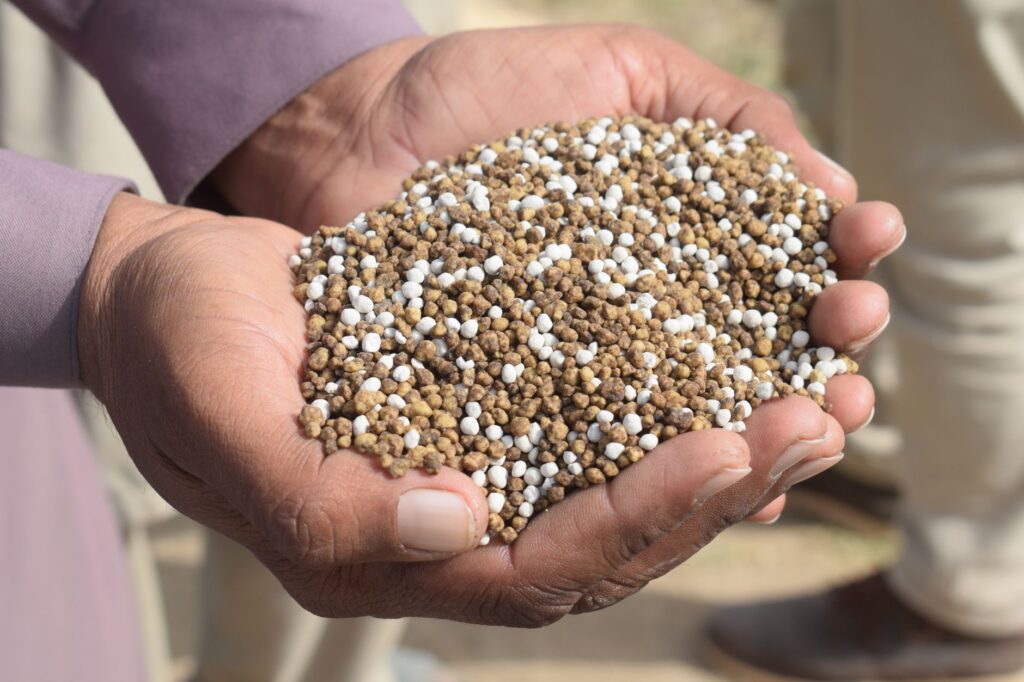
The fertilizer subsidy programme is designed to alleviate the financial burden on farmers by targeting lower farm input costs. This initiative addresses the ongoing supply risks that threaten agricultural productivity in Kenya.
Overview of the Fertilizer Subsidy Programme
The Fertilizer Subsidy Programme in Kenya aims to alleviate the financial burden on farmers by reducing the costs associated with essential farm inputs. This initiative emerges as a response to the increasing prices of fertilizers, which have significantly impacted agricultural productivity and food security in the region.
Designed to make fertilizers more accessible, the programme plays a crucial role in supporting farmers who rely on these inputs for optimal crop yields. The subsidy is intended for small-scale and medium-sized farmers, ensuring that they can afford quality fertilizers without compromising their budgets.
The key objectives of the Fertilizer Subsidy Programme include:
- Reducing input costs: By subsidizing fertilizers, the government aims to lower the overall expenditure for farmers, promoting greater investment in agriculture.
- Enhancing productivity: Access to affordable fertilizers is expected to boost crop yields, leading to increased food production.
- Ensuring food security: By improving agricultural outputs, the programme contributes to the national goal of securing food supplies for the population.
- Promoting sustainability: The initiative encourages the use of environmentally friendly practices, aligning with global standards for sustainable agriculture.
Overall, the Fertilizer Subsidy Programme represents a strategic effort to navigate the challenges posed by supply risks while fostering a more resilient agricultural sector in Kenya.
Impact on Farmers' Costs
The implementation of the fertilizer subsidy programme has had a significant impact on farmers' costs across Kenya. By providing essential financial support, the programme aims to alleviate the burden of rising input costs that have historically constrained agricultural productivity.
Farmers who previously struggled to afford fertilizers can now access them at reduced prices, leading to several positive outcomes:
- Increased Accessibility: With the subsidy in place, a broader range of farmers can obtain necessary fertilizers, fostering inclusivity within the agricultural sector.
- Enhanced Crop Yields: The availability of affordable fertilizers enables farmers to improve their soil quality, resulting in higher crop yields and better overall harvests.
- Economic Stability: Lower input costs translate into improved profit margins for farmers, allowing them to reinvest in their farms and support local economies.
- Mitigation of Supply Risks: By stabilizing fertilizer prices, the subsidy programme helps to address supply chain disruptions that have been exacerbated by global market fluctuations.
Despite these advantages, challenges remain, including the need for effective distribution mechanisms and ensuring that the subsidies reach those most in need. Ongoing assessments and adjustments will be crucial for the long-term success of the fertilizer subsidy programme and its impact on farmers' financial sustainability.
Supply Risks in Agriculture
The agricultural sector in Kenya faces significant supply risks that could undermine the effectiveness of the fertilizer subsidy programme. As global supply chains continue to fluctuate, farmers are increasingly concerned about the availability and cost of essential inputs. These risks can lead to unpredictable pricing, which may offset the benefits provided by the subsidy.
Several factors contribute to these supply risks:
- Climate Change: Unpredictable weather patterns can disrupt the production and transportation of fertilizers, leading to shortages.
- Geopolitical Tensions: International conflicts and trade restrictions can impact the sourcing of fertilizers, affecting local availability.
- Logistical Challenges: Infrastructural limitations in rural areas may hinder timely delivery of fertilizers to farmers, resulting in delays that could affect planting seasons.
- Market Volatility: Fluctuations in global fertilizer prices can influence local costs, making it difficult for farmers to plan their budgets effectively.
To mitigate these risks, experts suggest strengthening local production capabilities and establishing robust partnerships with international suppliers. Additionally, implementing adaptive strategies within the fertilizer subsidy programme can help ensure that farmers remain resilient in the face of these challenges. This proactive approach is essential for sustaining agricultural productivity and supporting the livelihoods of farmers across Kenya.
Expert Opinions on the Initiative
Experts have expressed a range of opinions regarding the effectiveness of the fertilizer subsidy programme in Kenya, emphasizing its potential to alleviate financial burdens on farmers. Dr. Jane Mwangi, an agricultural economist, believes that the initiative could significantly enhance crop yields. She stated, “By reducing the costs associated with fertilizer, we empower farmers to invest more in their farms, leading to increased productivity and food security.”
Conversely, Professor Samuel Otieno, a researcher in agricultural policy, raised concerns about the sustainability of the subsidy. “While the fertilizer subsidy programme offers immediate relief, we must consider how long it can be maintained without straining government resources,” he noted. He advocates for a more integrated approach that includes training farmers on sustainable practices and alternative nutrient sources.
Additionally, Dr. Alice Njeri, a soil scientist, highlighted the importance of tailored solutions. “Not all soils are the same; therefore, a blanket approach to fertilizer application may not yield the desired results. It’s crucial that farmers receive guidance on the specific nutrient needs of their crops,” she explained.
As the dialogue continues, many experts agree that the fertilizer subsidy programme should be part of a broader strategy aimed at ensuring long-term agricultural sustainability and resilience against supply risks.
Future of Farming in Kenya
The future of farming in Kenya hinges significantly on the success of the fertilizer subsidy programme, which aims to alleviate the financial burden faced by farmers. By ensuring access to affordable fertilizers, this initiative is poised to increase agricultural productivity and promote sustainable farming practices across the nation.
Farmers are increasingly recognizing the importance of such subsidies in boosting crop yields and improving food security. With lower input costs, many smallholder farmers can invest more in their operations, leading to enhanced production capacity. This, in turn, supports local economies and fosters a more resilient agricultural sector.
However, the sustainability of the fertilizer subsidy programme relies on careful implementation and monitoring. Stakeholders must address potential challenges, such as the distribution of fertilizers and the need for adequate training on their effective use. To this end, partnerships between government entities, agricultural organizations, and local communities will be essential.
Moreover, embracing technology and innovative farming solutions can further complement the objectives of the subsidy programme. Strategies such as precision agriculture and soil health management not only maximize the benefits of fertilizers but also ensure environmentally friendly practices.
Ultimately, a concerted effort to enhance the fertilizer subsidy programme will play a crucial role in shaping the future of farming in Kenya. By prioritizing this initiative, the nation can pave the way for a more productive, sustainable, and prosperous agricultural landscape.
Comparative Analysis with Other Countries
In examining the effectiveness of Kenya's fertilizer subsidy programme, it is instructive to compare it with similar initiatives in other countries. Several nations have implemented subsidy schemes aimed at reducing agricultural input costs, each with varying degrees of success.
India, for instance, has been a pioneer in fertilizer subsidies, providing extensive support to farmers. The Indian model focuses on direct cash transfers and price controls, which have led to increased crop yields. However, it has also faced criticisms regarding environmental sustainability and economic viability.
On the other hand, Brazil has adopted a more targeted approach. Its fertilizer subsidy programme is designed to promote specific crops, thereby optimizing resource allocation. This strategy has resulted in improved productivity while mitigating adverse environmental impacts, showcasing a balance that Kenya could aim for.
Another interesting case is Egypt, where the government has prioritized smallholder access to fertilizers through subsidized vouchers. This initiative has empowered local farmers, allowing them to make informed purchasing decisions while ensuring that subsidies reach those most in need.
While Kenya's fertilizer subsidy programme aims to lower farm input costs, it is essential to learn from these international examples. By adapting successful elements from other countries, Kenya can enhance its agricultural sustainability and ensure that the benefits of the subsidy programme are maximized for its farmers.
Government Support and Policies
The Kenyan government has implemented several policies to enhance the effectiveness of the fertilizer subsidy programme, aiming to reduce the financial burden on farmers while ensuring food security. These initiatives are designed to provide essential support to the agricultural sector, which is a key component of the nation’s economy.
Among the notable government actions are:
- Financial Allocation: Significant budget allocations have been earmarked to fund the subsidy programme, ensuring its sustainability and reach.
- Distribution Mechanisms: Improved logistics and distribution channels have been established to ensure timely access to subsidized fertilizers for farmers across various regions.
- Training and Support: The government has partnered with agricultural experts to provide training sessions for farmers on optimal fertilizer use and sustainable farming practices.
- Monitoring and Evaluation: Continuous monitoring of the programme's impact allows for adjustments and improvements, ensuring that the subsidies effectively meet farmers' needs.
These policies not only support the immediate needs of farmers but also contribute to long-term agricultural development. The government’s commitment to the fertilizer subsidy programme reflects a broader strategy to enhance food production while addressing supply chain challenges and fostering resilience in the agricultural sector.
Photo by Kashif Shah on Pexels