
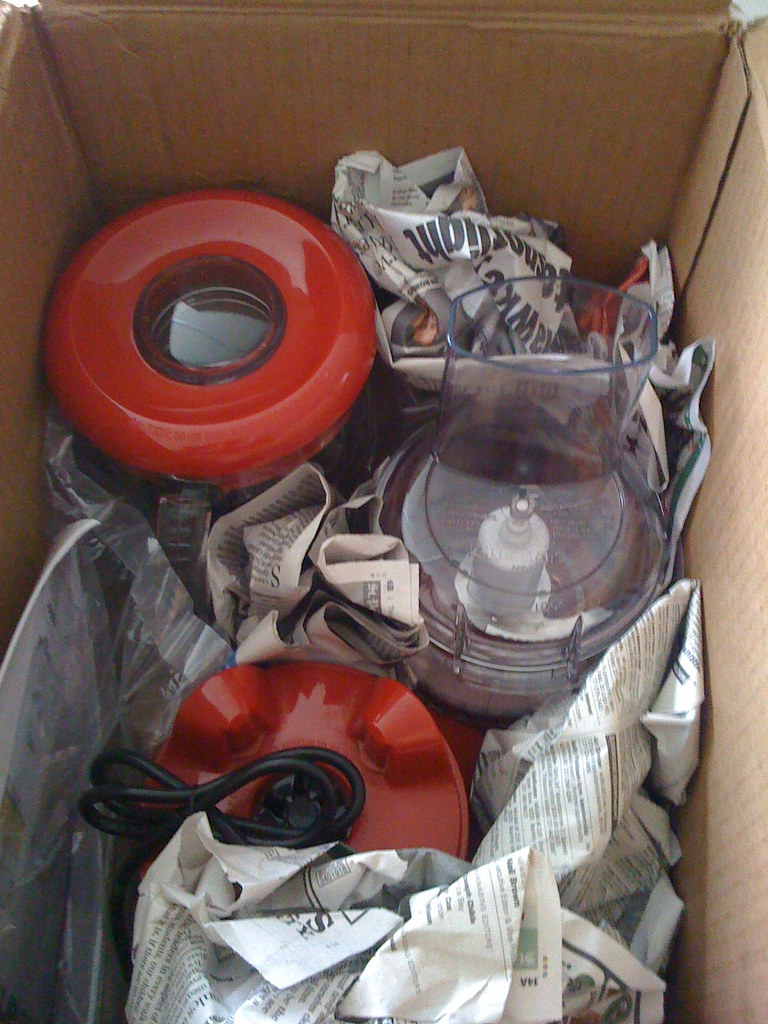
The food-waste processor is revolutionizing how we manage kitchen waste. This innovative technology by Coway aims to significantly reduce food waste in households.
Introduction to Food-Waste Processors
The growing concern over food waste has led to innovative solutions aimed at reducing environmental impact. One such solution is the food-waste processor, a device designed to minimize the volume of organic waste produced in households and commercial settings. These processors not only tackle the problem of food waste but also promote sustainable practices that can benefit the environment.
Recent advancements in technology have made food-waste processors more efficient and user-friendly. They work by breaking down organic materials through microbial processes, which significantly reduces the amount of waste sent to landfills. The introduction of the Coway Microbial Zero Food-Waste Processor exemplifies this trend. This innovative device utilizes advanced microbial technology to decompose food scraps quickly and effectively.
Some key benefits of food-waste processors include:
- Reduction in landfill waste: By processing food scraps at home, less waste ends up in landfills, decreasing greenhouse gas emissions.
- Resource recovery: The end product can potentially be used as compost or fertilizer, enriching soil health.
- Convenience: They offer a practical solution for busy households, making waste management easier.
As communities strive for zero waste, food-waste processors are becoming essential tools in the quest for sustainability.
Benefits of Reducing Food Waste
Reducing food waste brings numerous benefits that extend beyond environmental impacts. Implementing a food-waste processor can significantly contribute to a more sustainable lifestyle. Here are some key advantages of minimizing food waste:
- Environmental Benefits: Decreasing food waste reduces methane emissions from landfills, contributing to a healthier ecosystem.
- Resource Conservation: Food production consumes vast amounts of water, energy, and land. By processing food waste, we can conserve these vital resources.
- Cost Savings: Households and businesses can save money by reducing the amount of food they throw away, leading to better budgeting and resource management.
- Enhanced Soil Quality: Food-waste processors can convert organic waste into nutrient-rich compost, improving soil health and promoting sustainable agriculture.
- Community Impact: Reducing waste encourages local food systems and helps support community initiatives aimed at sustainability.
Ultimately, integrating a food-waste processor into our daily routines not only aids in achieving zero waste but also promotes a circular economy where resources are reused and valued. Embracing this technology can lead to a cleaner, greener future.
How Coway's Processor Works
Coway's food-waste processor operates through an innovative microbial digestion process that efficiently transforms organic waste into nutrient-rich compost. The device is designed to minimize the volume of food waste generated in households and businesses, promoting a sustainable lifestyle.
Upon loading food scraps into the processor, the built-in sensors assess the waste composition and adjust the microbial activity accordingly. This ensures optimal breakdown of various types of food, including fruits, vegetables, and even cooked meals. The processor utilizes a combination of heat, moisture, and air circulation, creating an ideal environment for microbes to thrive.
As the microbes digest the waste, they produce natural enzymes that accelerate decomposition. This process not only reduces the waste volume by up to 90% but also eliminates unpleasant odors, making it user-friendly for any kitchen setting. The end product is a fine compost that can be used to enrich soil, promoting healthier plant growth.
With Coway's food-waste processor, users can easily contribute to a circular economy by turning their kitchen scraps into valuable resources, thus embracing a sustainable approach to waste management.
Environmental Impact of Food Waste
The environmental impact of food waste is a pressing issue that requires immediate attention. It is estimated that roughly one-third of all food produced globally is wasted, contributing significantly to greenhouse gas emissions. When food is discarded and sent to landfills, it decomposes anaerobically, releasing methane, a potent greenhouse gas that is over 25 times more effective at trapping heat in the atmosphere than carbon dioxide.
Food-waste processors, like Coway's innovative solution, play a crucial role in mitigating this problem. By converting food scraps into nutrient-rich compost or biogas, these processors help reduce the volume of waste sent to landfills. This not only decreases methane emissions but also promotes a circular economy where organic waste is transformed into valuable resources.
Moreover, reducing food waste through the use of these processors supports biodiversity and conserves water and energy. The agricultural sector is heavily reliant on water and energy for food production, and by minimizing waste, we can lessen the strain on these vital resources.
In conclusion, adopting food-waste processors is an effective strategy towards achieving zero waste and fostering a healthier planet for future generations.
User Experience and Reviews
The user experience with Coway's food-waste processor has been overwhelmingly positive, with many customers highlighting its efficiency and ease of use. Users report that the device significantly reduces the volume of food waste in their homes, making it easier to maintain a clean and odor-free kitchen.
Many reviews emphasize the processor's compact design, which allows it to fit seamlessly into various kitchen layouts. Consumers appreciate that it operates quietly, making it a convenient option for households of all sizes. The intuitive controls and automatic settings enable users to manage their food waste effortlessly without having to worry about complicated setups.
In addition to functionality, users have noted the positive impact on their overall waste management. As one user put it, "The food-waste processor has transformed how we think about our kitchen scraps. It feels great to know we are contributing to a zero-waste lifestyle." Others have shared their satisfaction with the processor's durability and reliability, citing long-term use without significant issues.
Overall, the feedback from customers indicates that Coway's innovative approach to food waste processing is not just a trend but a smart solution that meets both practical and environmental needs.
Future of Food Waste Management
The future of food waste management is rapidly evolving, with innovative technologies like the food-waste processor leading the charge towards sustainable solutions. As urban areas continue to grow, the challenges of waste disposal become more pressing, prompting the need for effective, eco-friendly alternatives.
One promising development is the integration of smart technology into food-waste processors. These devices not only break down organic waste but also monitor the decomposition process in real-time, providing users with valuable insights on waste reduction and sustainability practices. As consumers become more environmentally conscious, such advancements offer a practical way to contribute to zero waste initiatives.
Moreover, community engagement plays a vital role in the future of food waste management. Local governments and organizations are increasingly promoting awareness campaigns that educate citizens about the benefits of using food-waste processors. These efforts aim to foster a culture of responsibility towards waste disposal.
In addition, collaborations between technology companies and environmental groups are expected to drive further innovation. By harnessing data analytics and machine learning, future food-waste processors could optimize their performance, making it easier for households and businesses to minimize their ecological footprint.
Ultimately, the combination of technology, community involvement, and education will shape a cleaner, more sustainable future.
The food-waste processor is designed to efficiently break down organic waste, turning it into valuable compost. By utilizing a food-waste processor, households and businesses can significantly reduce their environmental impact and contribute to a zero-waste future.
By Shawn Allen via Openverse