
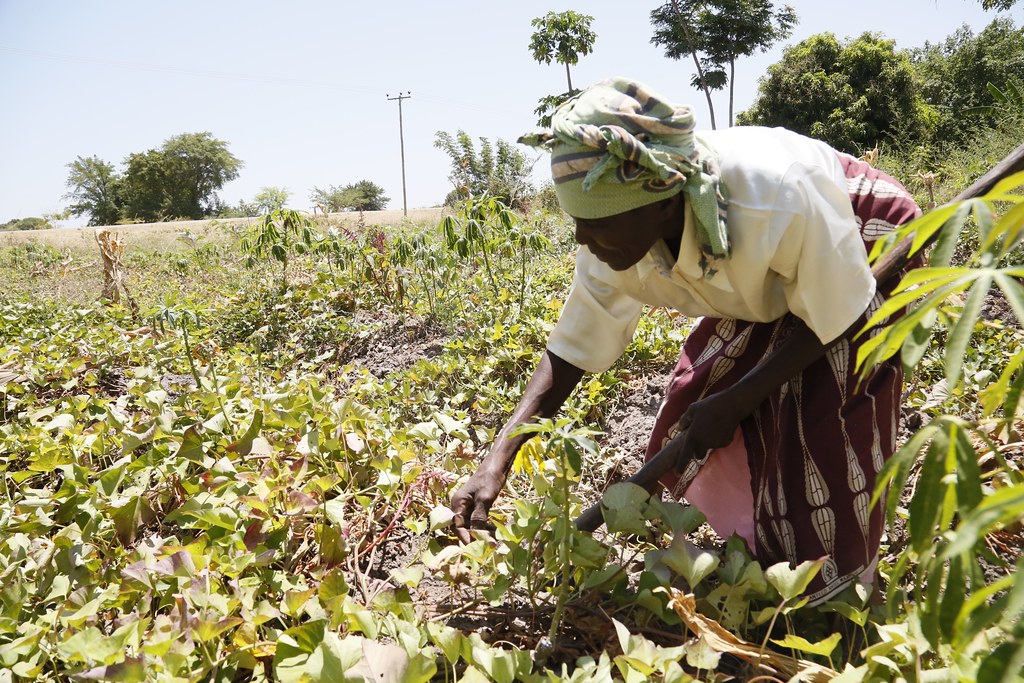
farmers need schemes to address their diverse requirements effectively. Recently, PM Modi has introduced various initiatives aimed at supporting farmers across the nation.
Overview of New Agricultural Schemes
The recent announcement by Prime Minister Modi emphasizes the urgent need for comprehensive agricultural support, as highlighted by Finance Minister Nirmala Sitharaman. Farmers across the nation are facing unprecedented challenges, making it essential that farmers need schemes tailored to their diverse requirements.
These new agricultural schemes aim to address various aspects of farming, ensuring that support reaches those who need it most. Key features of the initiatives include:
- Financial Assistance: Direct financial aid to help farmers manage operational costs and invest in better technologies.
- Subsidies: Subsidized seeds and fertilizers to enhance productivity while reducing farmers' expenses.
- Training Programs: Educational initiatives to equip farmers with modern agricultural techniques and sustainable practices.
- Market Access: Platforms to connect farmers directly with consumers, ensuring fair prices for their produce.
As these schemes roll out, it is crucial for farmers to stay informed and take advantage of the resources available. With the right support, the agricultural sector can thrive, benefiting not just farmers but the economy as a whole.
Impact on Farmers' Lives
The implementation of agricultural schemes has significantly transformed the lives of farmers across the nation. With targeted support and resources, these initiatives have empowered farmers to enhance their productivity and financial stability.
One of the most notable impacts is the increased access to credit facilities. Farmers now have the means to invest in modern equipment and sustainable practices, which has led to greater crop yields. Additionally, the introduction of insurance schemes has provided a safety net, allowing farmers to mitigate risks associated with unpredictable weather conditions.
Furthermore, education and training programs under these schemes have equipped farmers with essential skills and knowledge. This has fostered a culture of innovation, enabling them to adopt new technologies and improve their farming methods.
Despite these advancements, many farmers still express the need for more comprehensive schemes tailored to their specific challenges. The ongoing dialogue between government officials and the farming community is crucial, as it ensures that the support they receive aligns with their evolving needs.
In summary, while significant strides have been made, it is clear that farmers need schemes that address both current and future agricultural challenges.
Government Support for Agriculture
The Indian government has recognized the critical role that farmers play in the economy and food security, leading to the implementation of various initiatives aimed at providing essential support. These programs are designed to address the diverse challenges faced by farmers while ensuring sustainable agricultural practices.
One of the key aspects of these initiatives is the introduction of financial assistance schemes that help farmers access necessary resources. This includes:
- Subsidized loans: Farmers can avail loans at reduced interest rates, making it easier for them to invest in modern equipment and technology.
- Direct cash transfers: These transfers provide immediate financial relief during times of crop failure or natural disasters.
- Insurance schemes: Crop insurance protects farmers against losses caused by unforeseen circumstances, ensuring their financial stability.
The government believes that such schemes are vital for ensuring that farmers receive the support they need to thrive. With ongoing efforts to improve and expand these programs, it is clear that farmers need schemes that not only support their livelihoods but also enhance agricultural productivity across the nation.
Key Features of the Initiatives
The recent initiatives aimed at supporting farmers have several key features designed to address their specific needs. These features focus on enhancing agricultural productivity and ensuring financial stability for farmers.
Firstly, the schemes provide subsidies for essential inputs such as seeds, fertilizers, and equipment, making it more affordable for farmers to cultivate their land effectively. Secondly, there are provisions for crop insurance, which safeguards farmers against unforeseen events such as natural disasters and pest infestations.
Additionally, these initiatives include technology integration, offering farmers access to modern agricultural practices and digital platforms for better market connectivity. This empowers them to make informed decisions and enhances their overall productivity.
Furthermore, the government has established credit facilities with lower interest rates, making it easier for farmers to secure loans for expansion and investment. Local training programs are also being implemented to educate farmers on sustainable practices.
In summary, these comprehensive support schemes are vital as farmers need schemes that not only address immediate challenges but also promote long-term growth and sustainability in agriculture.
Future of Farming in India
The future of farming in India is poised for transformation as the government continues to recognize that farmers need schemes tailored to their unique challenges. With the agricultural sector facing various hurdles, including climate change and market fluctuations, innovative support mechanisms are essential.
Farmers are increasingly looking towards technology and sustainable practices to enhance productivity and ensure food security. The introduction of digital platforms for real-time information on weather, prices, and best farming practices has empowered them to make informed decisions. Additionally, financial schemes aimed at providing low-interest loans and crop insurance have become vital tools for risk management, allowing farmers to invest in better resources.
Moreover, community-based initiatives are gaining traction, promoting cooperative farming and collective bargaining. These approaches not only strengthen the farmers’ positions but also ensure that they can negotiate better prices for their produce.
In conclusion, as India continues to evolve its agricultural policies, it is clear that farmers need schemes that are dynamic and responsive to the changing agricultural landscape. This focus will ultimately lead to a sustainable and prosperous future for farmers across the nation.
To ensure sustainable growth and productivity, farmers need schemes that provide financial assistance and resources. Implementing effective programs can significantly enhance the livelihoods of those who rely on agriculture, as farmers need schemes tailored to their unique challenges.
By DFID - UK Department for International Development via Openverse