
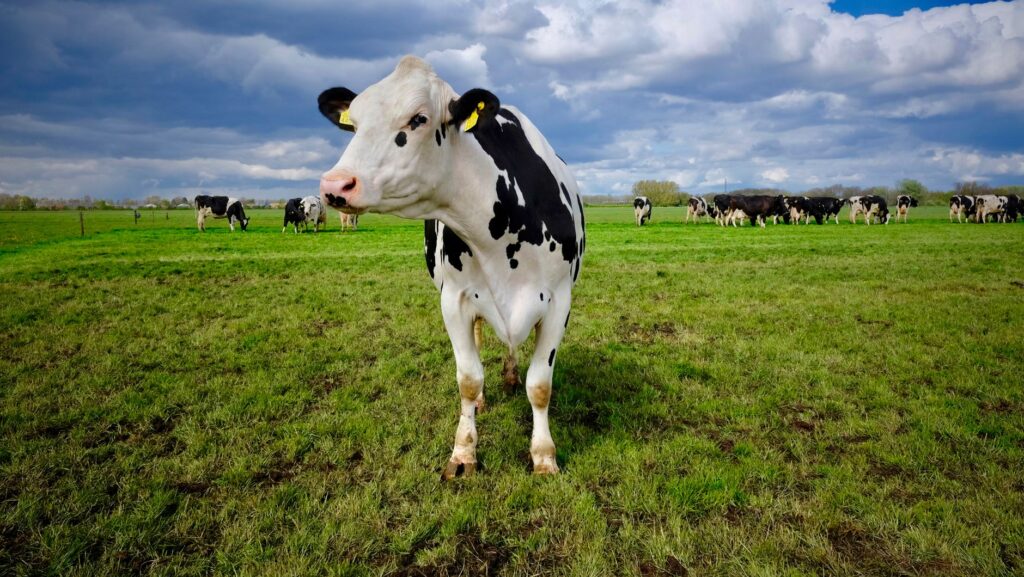
Genetically testing cows could revolutionize farming in Northern Ireland. This approach aims to keep prices in shops down while enhancing livestock quality.
The Importance of Genetic Testing
Genetically testing cows has emerged as a crucial practice in modern agriculture, providing farmers with valuable insights into the health and productivity of their herds. By analyzing the genetic makeup of each cow, farmers can make informed decisions that lead to enhanced breeding programs and improved livestock management.
The significance of genetic testing extends beyond individual farmers; it has the potential to impact the wider economy. As farmers utilize genetic testing, they can identify traits that contribute to better milk production, disease resistance, and overall longevity of the cattle. This leads to healthier herds and, ultimately, lower production costs.
Moreover, the practice can help in:
- Reducing feed costs: By selecting for efficient feed conversion traits, farmers can decrease the amount of feed required, thus reducing overall expenses.
- Improving herd health: Identifying genetic predispositions to diseases allows for proactive management strategies, reducing veterinary costs and loss of livestock.
- Enhancing product quality: Genetic testing can help in breeding cows that produce higher quality milk or beef, meeting consumer demands and improving market prices.
In summary, genetically testing cows is not only vital for individual farm success but also plays a significant role in stabilizing and lowering prices in the market, benefiting both producers and consumers alike.
How Genetic Testing Works
Genetic testing is a revolutionary process that allows farmers to analyze the DNA of their cattle, providing insights into their health, productivity, and overall genetic potential. This method involves collecting a small sample of DNA, often from a simple cheek swab or blood sample. Once collected, the sample is sent to a laboratory for analysis.
The laboratory examines the genetic markers that are associated with various traits in cows, such as milk production, growth rates, and disease resistance. By identifying these genetic factors, farmers can make informed breeding decisions that enhance the quality of their herd over time. With advancements in technology, genetic testing has become more accessible and affordable, allowing even small-scale farmers to take advantage of its benefits.
One of the primary goals of genetically testing cows is to produce healthier animals that require fewer resources, which can ultimately lead to lower prices for consumers. The results of genetic testing can help farmers select the best breeding pairs to maximize desirable traits, reducing the need for antibiotics and other interventions that can inflate costs.
Furthermore, by improving herd management through genetic insights, farmers can ensure a more sustainable approach to cattle farming. This not only benefits the farmers but also contributes to a more stable food supply chain for consumers.
Benefits of Testing Cows
Genetically testing cows offers a multitude of benefits for farmers, consumers, and the livestock industry at large. By utilizing advanced genetic testing techniques, farmers can identify cows with desirable traits that contribute to improved productivity and efficiency.
- Enhanced Breeding Decisions: Genetic testing empowers farmers to make informed breeding choices, selecting cows that exhibit traits such as higher milk production, disease resistance, and better growth rates. This leads to a healthier herd and more sustainable farming practices.
- Cost Reduction: By understanding the genetic makeup of their cattle, farmers can optimize their breeding programs, resulting in increased efficiency. This can lead to lower operational costs, which can ultimately be passed on to consumers in the form of reduced prices.
- Improved Animal Welfare: Genetically testing cows allows for the identification of genetic predispositions to certain health issues. By addressing these problems proactively, farmers can ensure better overall health and welfare for their livestock.
- Data-Driven Decisions: With detailed genetic information, farmers can implement data-driven strategies to enhance their operations. This can lead to improved herd management and increased profitability.
Overall, genetically testing cows not only supports the livelihood of farmers but also plays a crucial role in maintaining competitive pricing in the market.
Challenges in Implementation
While the advantages of genetically testing cows are evident, several challenges hinder widespread implementation in the farming industry. Understanding these obstacles is crucial for farmers considering this innovative approach.
- Cost of Technology: The initial investment in genetic testing technology can be substantial. Many farmers may struggle to afford the necessary equipment and services, particularly smaller farms.
- Data Management: Analyzing and interpreting genetic data requires expertise. Farmers may need to invest in training or hire specialists to ensure they can make informed decisions based on the results.
- Resistance to Change: Some farmers may be hesitant to adopt new practices, relying instead on traditional breeding methods. Overcoming this mindset requires education and demonstration of the benefits of genetic testing.
- Regulatory Challenges: The agricultural sector often faces stringent regulations. Navigating these rules can complicate the implementation of genetic testing. Farmers must ensure compliance with all relevant laws and guidelines.
- Ethical Concerns: The use of genetic testing raises ethical questions about animal welfare and the long-term impacts on livestock populations. Addressing these concerns is vital to gaining public support.
Despite these challenges, the potential for genetically testing cows to lower prices remains promising, making it essential for the industry to find solutions.
Future of Farming in Northern Ireland
The future of farming in Northern Ireland is increasingly intertwined with the advancements in technology, particularly through the process of genetically testing cows. As farmers face rising production costs, the implementation of genetic testing presents a promising solution to enhance efficiency and productivity in the agricultural sector.
By strategically selecting traits that lead to better milk yield, disease resistance, and overall health, farmers can create herds that are not only more productive but also more sustainable. This approach could ultimately contribute to lower prices for consumers, as the costs associated with raising livestock diminish.
Key factors shaping the future of farming in this region include:
- Innovative Farming Practices: The adoption of modern technologies, such as genetic testing, allows farmers to make informed decisions that boost productivity.
- Focus on Sustainability: Genetic testing helps in breeding cows that require fewer resources, thus reducing the environmental impact of farming.
- Market Adaptation: By enhancing the quality and quantity of produce, farmers can better meet the demands of a changing market.
- Community Support: Collaboration among farmers, researchers, and government entities can facilitate the widespread adoption of genetic testing.
As Northern Ireland looks to the future, embracing the practice of genetically testing cows could play a crucial role in maintaining a competitive edge in the agricultural landscape.
Photo by Matthias Zomer on Pexels
Where this came from
Related reading
Fertilizer Subsidy Programme: Smart Solutions for Lower Costs · Is Low Fat Yogurt the Best Choice for Healthy Eating? · Is the Oliva LLC dip recall the worst food safety issue?